

Ask us about
test equipment solutions for your industry
How to Select the Correct Power Supply

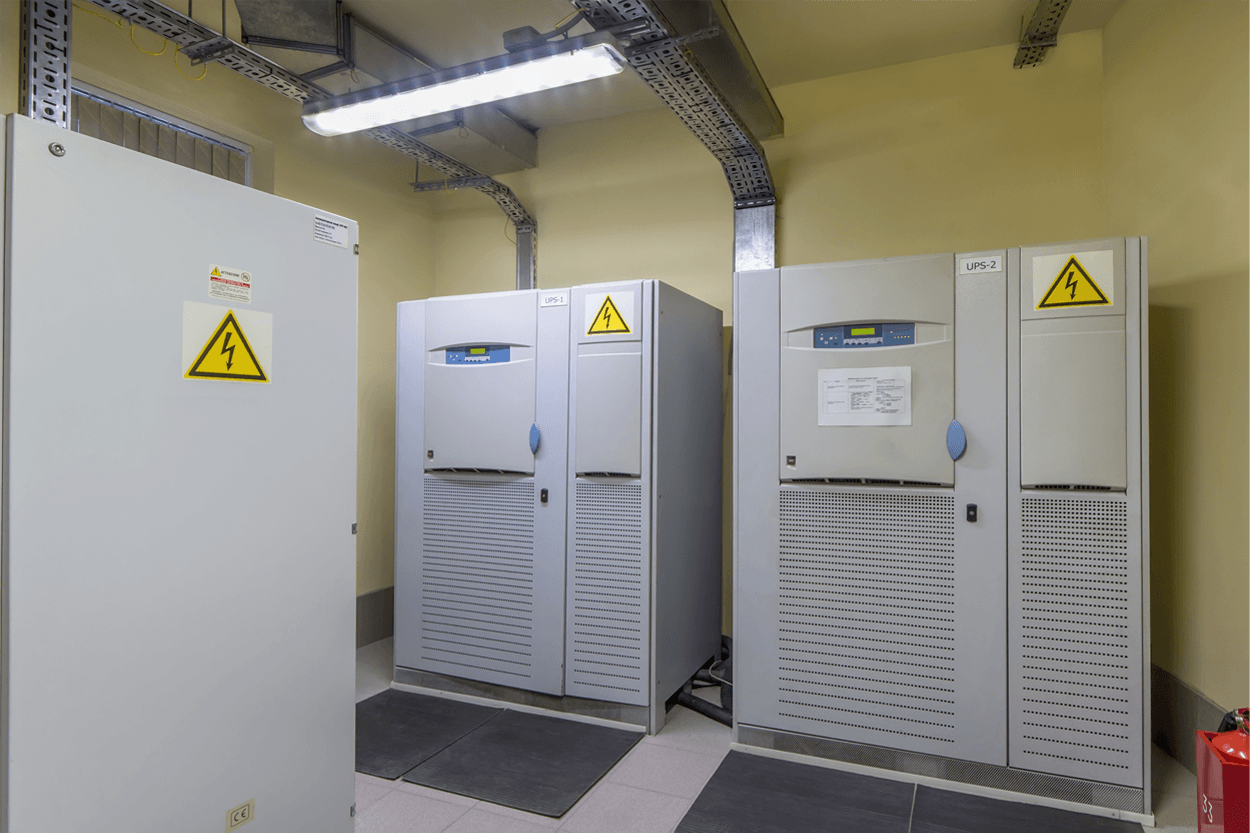
The generation of power is critical for machinery, consumer devices, testing standards, and a variety of other use cases. However, these use cases do not all require the same amounts of power, and thus, the equipment that generates power for each of these use cases must be different. Keep reading this blog to learn more about the different types of power supplies people use to fulfill their given requirements and what distinguishes them from one another.
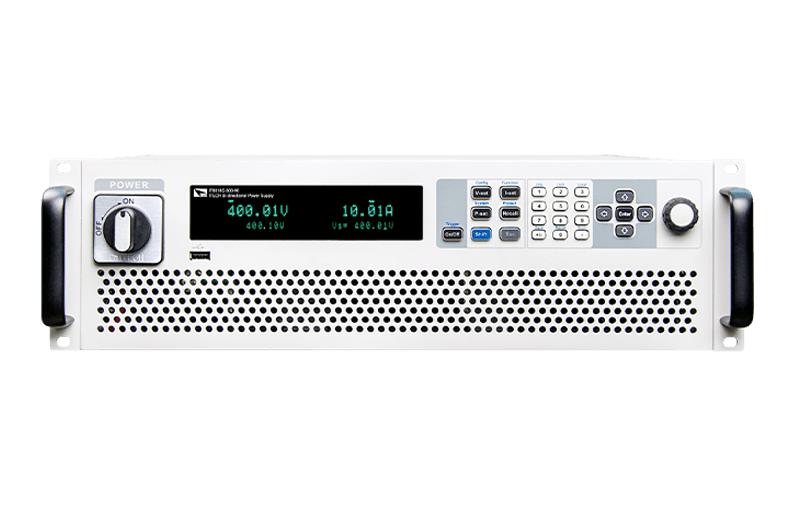
What is a Power Supply?

Key Attributes of Modern Power Supplies
- Advanced Testing – To ensure a test goes correctly, the power source used must simulate whatever test is conducted with a high level of accuracy. To do this, the power supply must be both consistent and repeatable.
- Compact Designs – The smaller the design, the smaller the footprint and greater power efficiency in relation to the power supply volume.
- Precision Power – Applications where specific amounts of power are required, such as medical device testing, research, and high-energy weapons, prevent damage to the equipment while also ensuring there is no loss in performance.
- Programmable Power and Modularity – Being able to program a power supply allows users to adjust voltage, current, and frequency as needed to meet the power requirements of a plethora of products and testing environments.
- Slew Rate – Slew rate is the maximum rate of change of an output voltage or output current per unit of time. Power supplies need particular slew rates to prevent overshoot and stress in a DUT whenever changes in voltage or current occur outside of its expected ranges. This can be useful for situations such as replicating start-up conditions for engines that start in cold ambient conditions, lowering their immediate voltage output below typical ranges.
Power Supply Applications
As discussed above, power supplies can be applied in countless ways. Cars don’t require the same power supplies as systems required for aerospace applications. Below we will discuss the uses for power supplies, splitting them up by industry and general use cases.
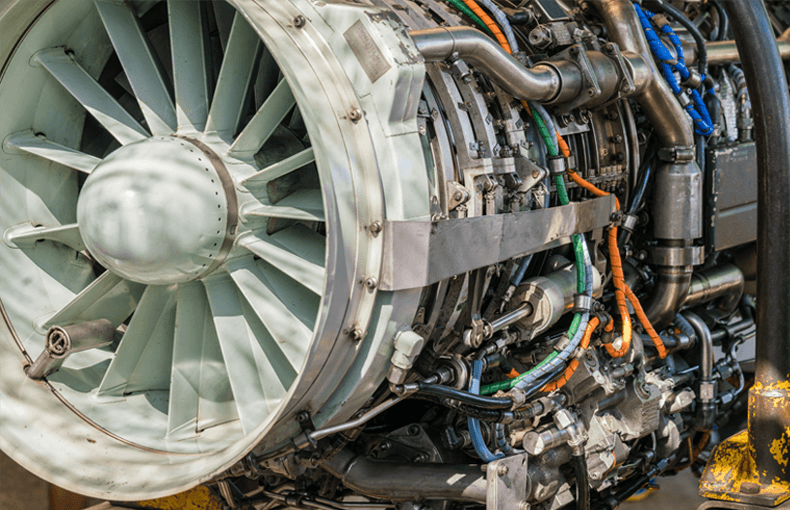
Industries Where Power Supplies are Used
- Aerospace/Defense – Not only are power supplies useful for the simulating power conditions found in space, but they are also crucial for upkeeping electronics repairs in military depots.
- Automotive and Transportation – All new vehicles require power supplies during their manufacturing process to perform a variety of tests. Additionally, automotive R&D labs use power sources for electronic integration and margin testing.
- Commercial/Industrial – Commercial and industrial R&D labs require power supplies to perform margin and integration testing for electrical devices, electronics, and materials during the development cycle.
- Energy/Power Generation – Programmable power supplies are required to adjust to ever-changing standards and testing solutions that come from renewable-energy, power-generation applications in addition to their current role of supporting conventional power-generation systems.

Purposes for Using Power Supplies
- Power Emulation – Emulating power sources are important for ensuring a product can handle similar properties that the device under testing would experience in the field.
- Process Power – Process power transforms a product by controlling where and how a power system is used. This is done to load down the device and stress the system to ensure it does not succumb to early electronic failure.
- Stimulus Power – Typically done in power and test operations, stimulus applications are where the power supply sends a specific input to get the load to respond.
What are the Different Types of Power Supplies?
Power supplies can come in a variety of forms depending on the application being tackled. Below is a list of some of the most used power supplies and what they do.

What Are the Common Test Standards Used with Power Supplies
- ABD0100.1.8
- ABD0100.1.8.1
- AMD24C
- Boeing 787B3-0147
- IEC 61000-3-2
- IEC 61000-3-3
- IEC 61000-4-11
- IEC 61000-4-13
- IEC 61000-4-27
- MIL-STD-704
- MIL-STD-1399-300
- RTCA/DO-160 Section 16
How ATEC Can Help You
ATEC offers a variety of power supplies from leading manufacturers such as California Instruments, Chroma, and Pacific Power Source.
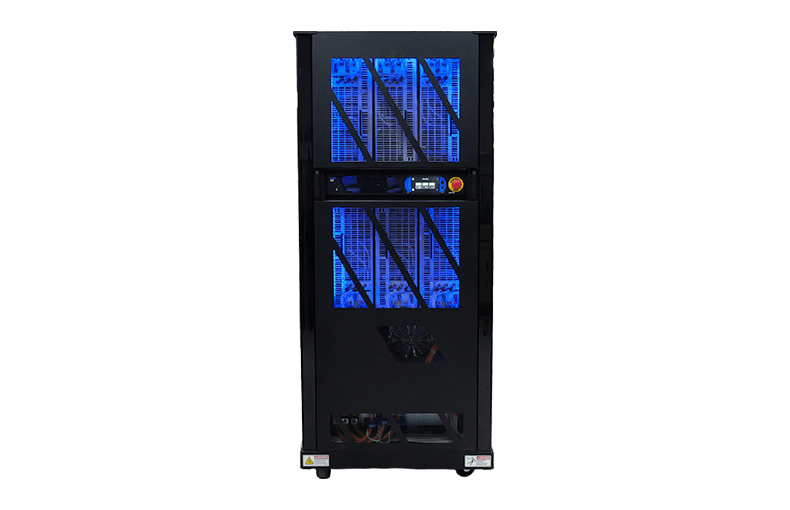
California Instruments Sequoia SQ0090 Regenerative AC Grid Simulator
- Voltage:
- AC - Low Range: 0 - 166Vrms L-N, High Range: 0 - 333Vrms L-N
- DC - Low Range: 0 - 220VDC, High Range: 0 - 440VDC
- Current (Per Ø):
- FSV – 1800.7/90.1Arms (AC), 91/68.2Adc (DC)
- Max – 250/125Arms (AC), 125.8/94.6Adc (DC)
- Power: 90kVA/kW, 1/3Ø
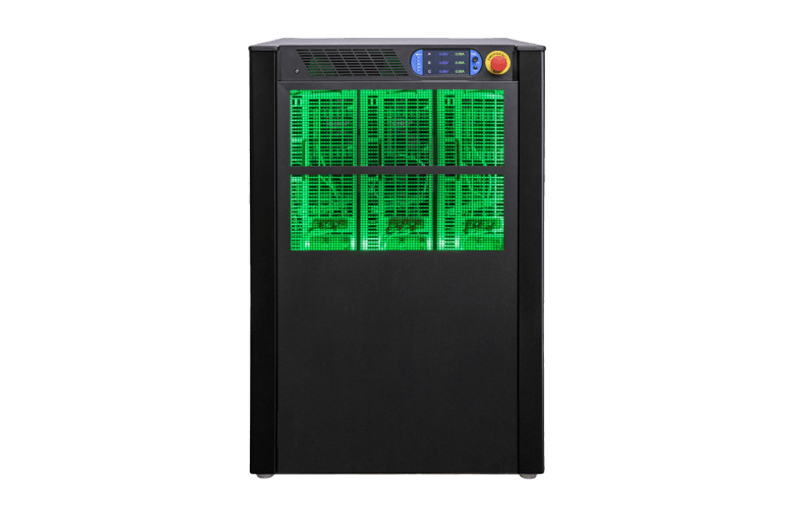
California Instruments Tahoe | TA0045A1 Power Supply
- Voltage:
- AC - Low Range: 0 - 166Vrms L-N, High Range: 0 - 333Vrms L-N
- DC - Low Range: 0 - 220VDC, High Range: 0 - 440VDC
- Current (Per Ø): 125/62.5Arms, 85/42.5ADC
- Power: 45kVA/kW, 1/3Ø
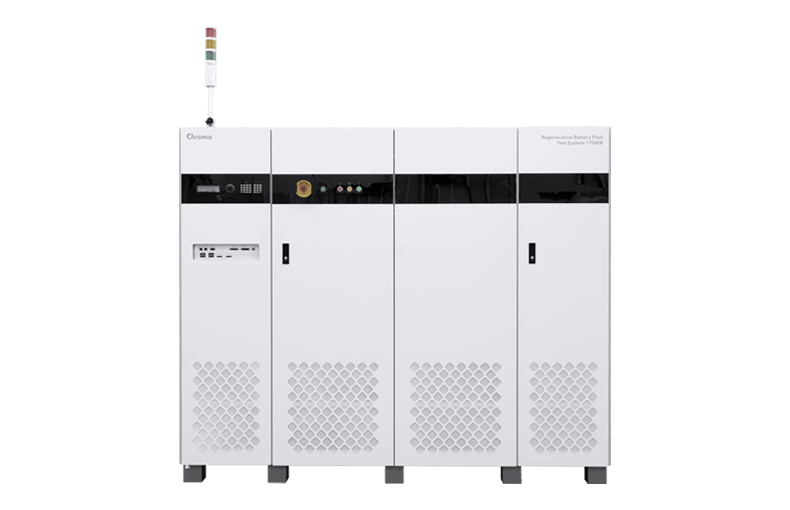
Chroma 17040E | Regenerative Battery Pack Test System
- Voltage: 100 – 1700V
- Current (Per CH): 400A @ 1700Vrange, 800A @ 850Vrange
- Power: 200kW
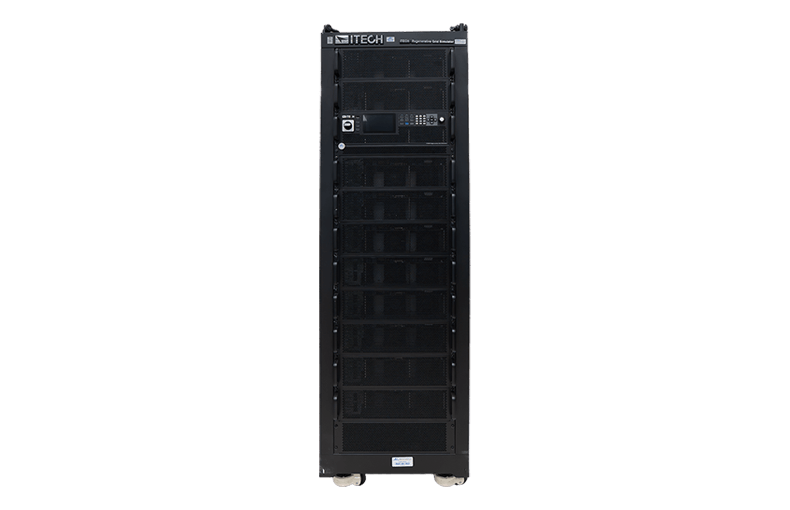
ITECH IT79165-350-990 Regenerative Grid Simulator
- Voltage: 350V
- Current: 990A
- Power: 165kVA
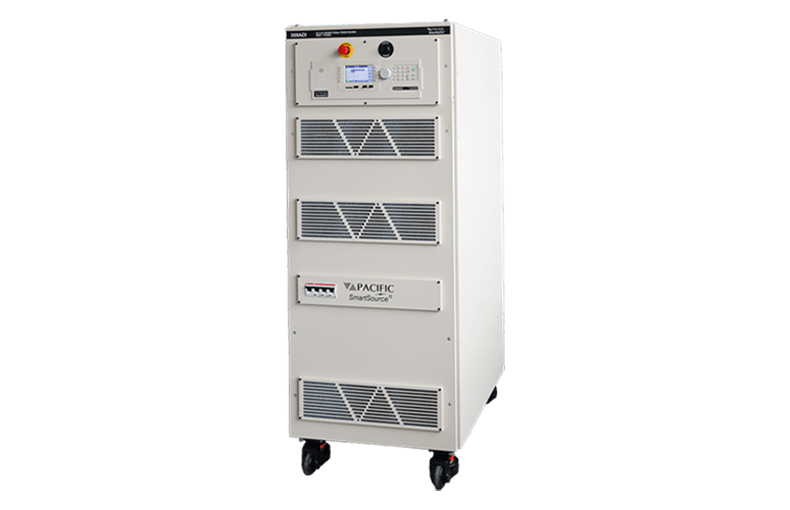
Pacific Power 3550AZX Regenerative AC & DC Power Source
- Voltage:
- AC – Low Range: 0 ~ 225Vac, High Range: 0 ~ 440Vac
- DC – Low Range: 0 ~ ±335Vdc, High Range: 0 ~ ±650Vdc
- Current:
- 1Ø
- Low Vrange: 390Arms (AC), 300Adc (DC)
- High Vrange: 225Arms (AC), 150Adc (DC)
- Split
- Low Vrange: 130Arms (AC), 100 (DC)
- High Vrange: 75Arms (AC), 50 (DC)
- 3Ø
- Low Vrange: 130Arms (AC), 100 (DC)
- High Vrange: 75Arms (AC), 50 (DC)
- Power: 55kVA/kW, 3Ø
- 1Ø