

Ask us about
test equipment solutions for your industry
IEC 61000-4-2 Edition 2 vs. Edition 3


What is IEC 61000-4-2 Edition 3?
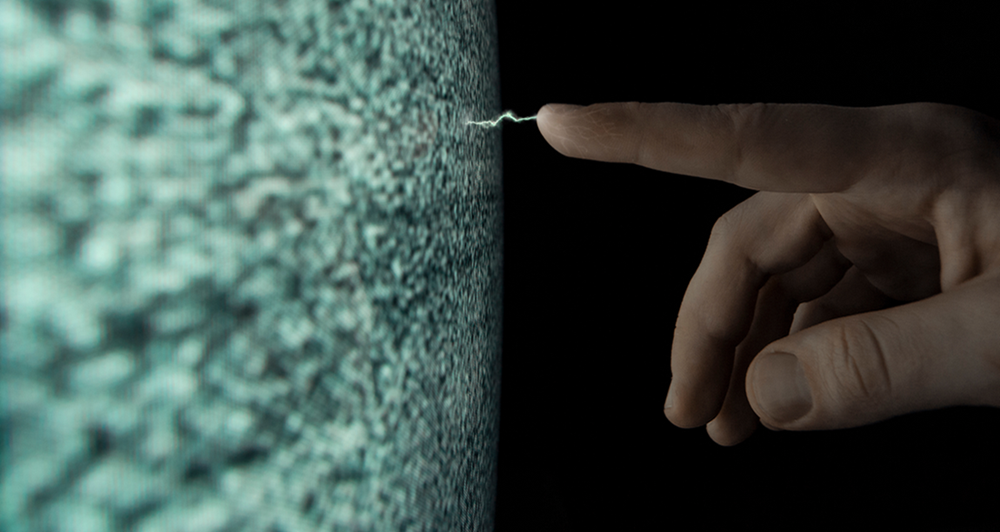
IEC 61000-4-2 is a test standard that focuses on electrostatic discharge immunity for electrical and electronic equipment. These static discharges can come from personnel operating this equipment or from adjacent objects. Different environmental and installation conditions can impact how this testing is performed, which means testing has to be standardized to support a variety of conditions.
This standard typically updates every few years, developing as the landscape of electrical equipment continues to evolve. Edition 3 of this test standard, released earlier in 2025, updates the requirements listed in Edition 2. Keep reading this blog to learn about some of the biggest changes and additions made between edition 3 and edition 2 of IEC 61000-4-2.
This standard typically updates every few years, developing as the landscape of electrical equipment continues to evolve. Edition 3 of this test standard, released earlier in 2025, updates the requirements listed in Edition 2. Keep reading this blog to learn about some of the biggest changes and additions made between edition 3 and edition 2 of IEC 61000-4-2.
What is Electrostatic Discharge?
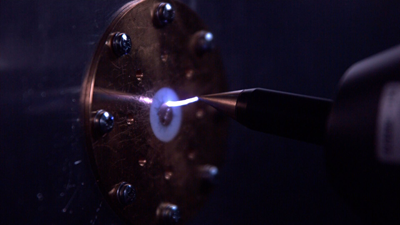
Electrostatic discharge is when two objects come in contact with each other, resulting in a sudden and momentary release of static electricity.
Typically, objects have an equal number of protons and electrons. However, when two objects rub against each other, causing friction, electrons will move between the atoms and materials in those two objects. When the number of protons and electrons are unbalanced, they will hold a positive charge if the object is missing electrons or negative charge if the object has extra electrons.
If two objects with different electrical potential interact with each other, a static shock possessing a negative charge of up to 25kV or more may occur. This can result from interactions between humans and machines, as well as machine contact with other objects.
These small shocks are enough to damage or destroy sensitive electronic components. IEC 61000-4-2 tests devices to ensure their components don’t get damaged by these potential shocks. However, over the last 17 years, more parameters have been set to ensure modern electrical devices are not affected by ESD. We will go over some of these changes in the paragraphs below.
Major Changes Between Edition 2 and 3
Many changes were made between the two editions of IEC 61000-4-2. While there are too many to list in a single blog, we have compiled some of the most important changes and additions made between these versions. This information will be separated based on information that was revised, information added, and annexes created for edition 3.
.png)
Revised information
Below is a list of information that was updated going from Edition 2 to Edition 3:
- Discharge current calibration procedure improvements.
- Measurement uncertainty consideration improvements.
- Calibration planes (Edition 2 vs. Edition 3)
- Case A – Calibration plane 1.2 x 1.2m (old edition)
- Case C – Calibration plane 1.6 x 1.2 + 1.5 x 1.2m RGP (new edition)
-
Training and Competency
- Test personnel must be trained to understand the expanded procedures, new definitions, and reasons for calibration changes, and test methodology.
- Enhanced Calibration Requirements
-
Labs must incorporate more rigorous procedures, such as waveform analysis and standardized targets, to verify and calibrate ESD generators, particularly for air discharge tips.
-
New Information
Below is a list of new changes introduced in Edition 3:
- Air discharge calibration requirement added for ESD generators.
- Ip2 (discharge current’s 2nd peak value) measured during contact discharge calibration.
- Air discharge tip conditions added for calibration:
- At levels within 2-15kV, if the air discharge tip contains passive or active components, an additional and conditional air discharge current waveform calibration using a 2Ω current target is required.
- This calibration is performed with a mounted air discharge tip, while in contact discharge mode.
- Earth leakage cable concrete length defined (Cable with bleeder resistors 2x470kΩ):
- The cable between the horizontal coupling plate and ground plate is max. 1.5m long.
- The cable between the vertical coupling plate and base plate is max. 3m long.
- The max. distance between the cable lug and resistor is 10cm.
- Battery and/or mains operation calibration required:
- Users must calibrate ESD generators in the operating mode for tests according to section 6.3.1.
- Additional calibration with air discharge tip conditions:
- Before edition 3, air discharge calibration had no available waveforms for their procedures or requirements.
- When using a resistive high-voltage divider, calibration can just measure OC voltage at the air discharge tip’s max. test voltage, if the tip conductor has no additional active or passive elements.
Annexes Added to Version 3 of IEC 61000-4-2
How ATEC Can Help You
ATEC rents a variety of products that satisfy 61000-4-2 requirements. Some of these products include:
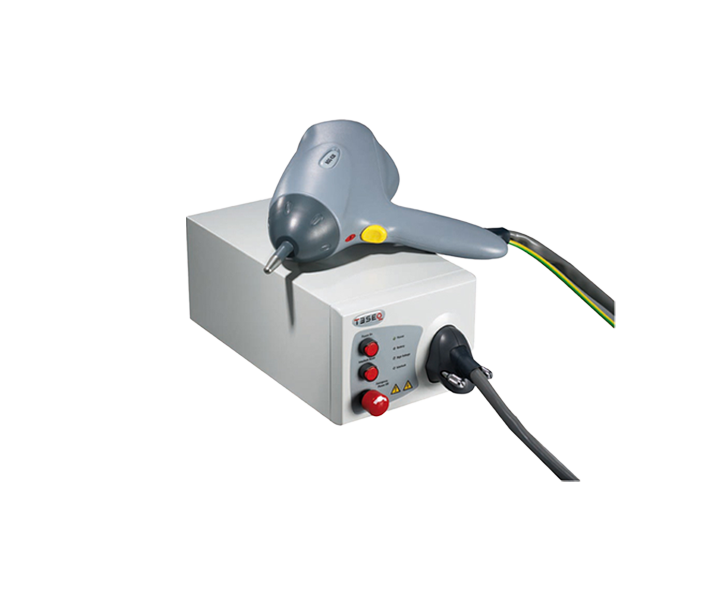
Teseq NSG 438
- Voltage: 30kV
- Contact Discharge: 200V - 30kV
- Air Discharge: 200V - 30kV
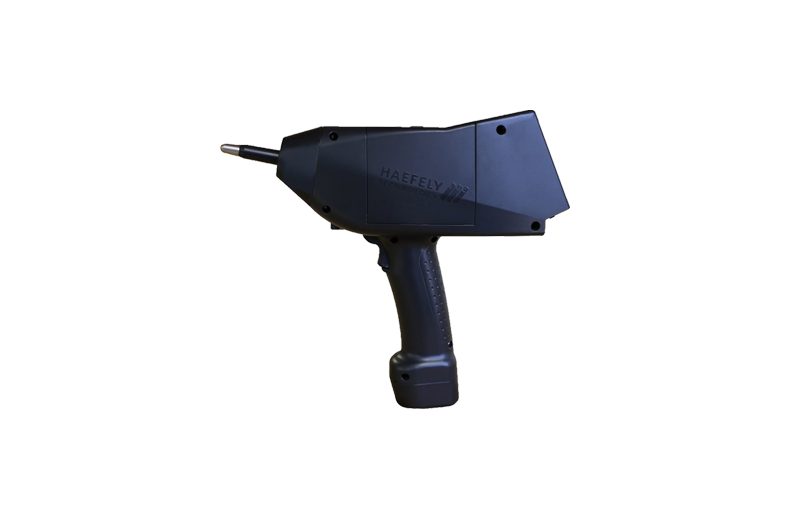
Haefely ONYX 30
- Voltage: 16kV
- Contact Discharge: 1000V - 16,000V
- Air Discharge: 1000V - 16,000V
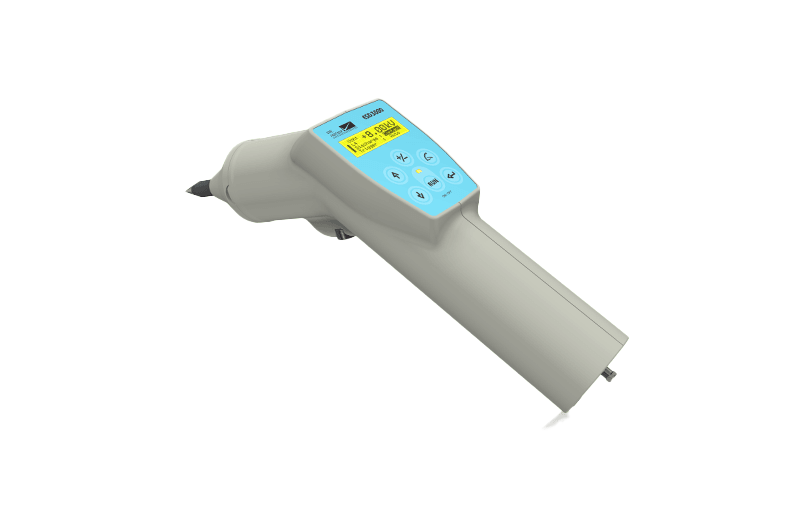
EMC Partner ESD3000
- Voltage: 16kV, 30kV
- Contact Discharge: 1kV - 30kV
- Air Discharge: 1kV - 32kV
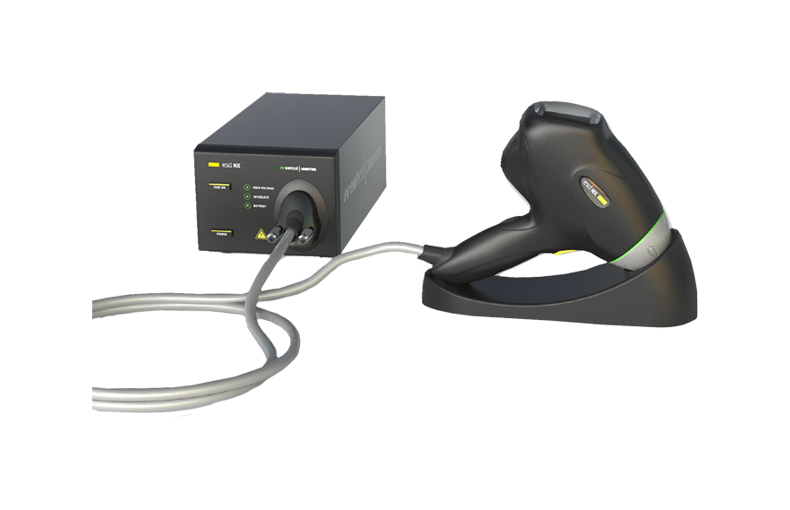
EM Test ESD NX30
- Voltage: 30kV
- Contact Discharge: 200V - 30kV
- Air Discharge: 200V - 30kV
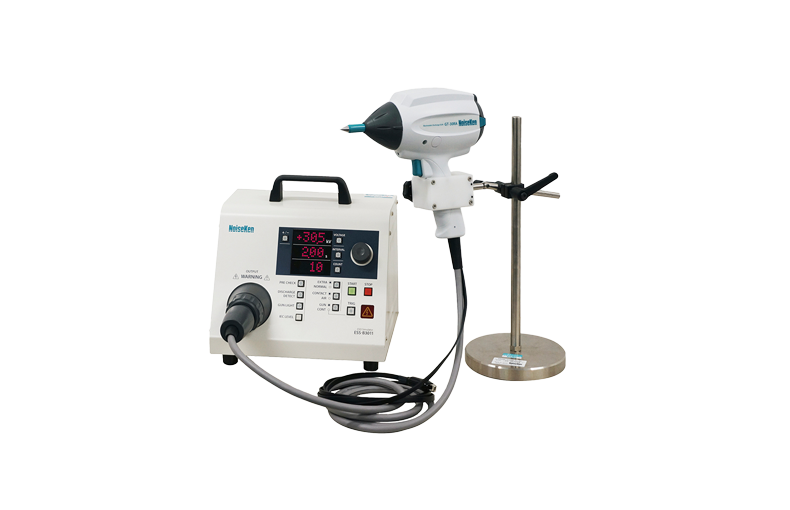
Noiseken ESS-S3011A-GT-30RA
- Voltage: 200V - 30kV
- Contact Discharge: 200V - 30kV
- Air Discharge: 200V - 30kV
Haefely ONYX 16
- Voltage: 16kV
- Contact Discharge: 1 - 16kV
- Air Discharge: 1 - 16kV
Reach Out to ATEC today for More Information On Our:

The ATEC Advantage
- Largest Inventory: Over $150M in test & measurement equipment stocked in the USA.
- ISO 17025 Calibration: Optional A2LA-accredited certification available on rentals.
- Flexible Rentals: Weekly, bi-weekly, and monthly options.
- Expert Support: Specialists available for guidance.
- Fast Delivery: Same-day shipping for urgent compliance needs.
Posted December 12, 2025