Radiated Emissions Testing
What is Radiated Emissions?

Testing for radiated emissions may seem complex, but with the right EMC test equipment and a clear understanding of the process, it becomes manageable. Whether you’re performing pre-compliance checks during development or full compliance testing for certification, the goal is the same—ensuring your product meets international standards and avoids costly redesigns, delays, or penalties.
Radiated Emission Test Categories
- Pre-Compliance Testing – Early-stage evaluation to identify emission issues before formal certification.
- Compliance Testing – Performed in accredited labs or controlled environments to meet regulatory standards.
- In-Situ Testing – Conducted on installed equipment in its operational environment.
- Near Field Debugging – When EMI issues are experienced, using near field probes can help isolated the problem areas on a device.
Test Setup for Radiated Emissions
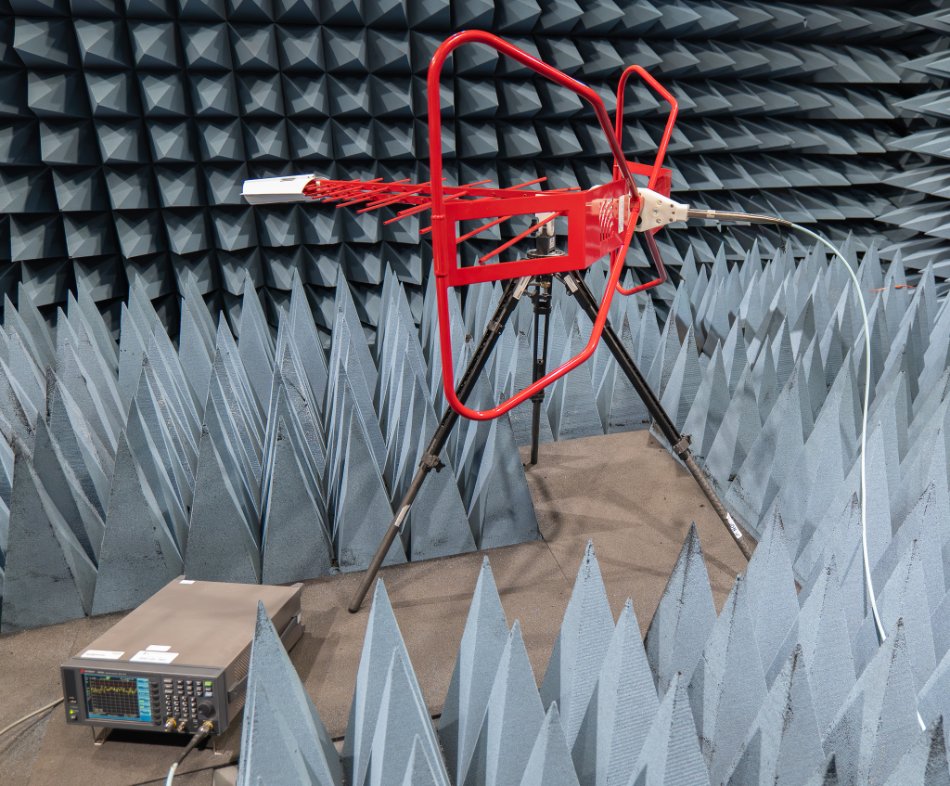
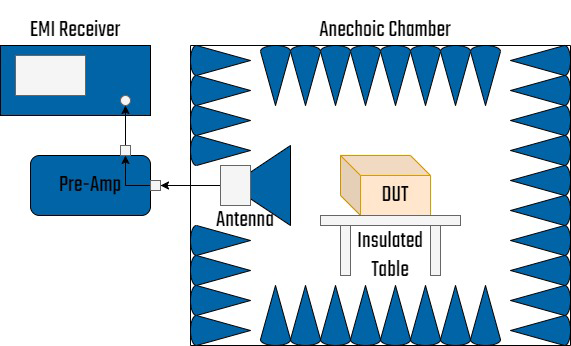
- Equipment Under Test (EUT) is placed on a non-conductive turntable inside an anechoic or semi-anechoic chamber. The turntable rotates slowly to detect directional emission peaks.
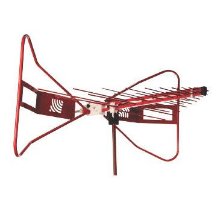
- An EMC antenna is positioned at a standardized distance—commonly 1 meter, 3 meters, 10 meters, or 30 meters, depending on the applicable standard.
- The antenna is mounted on a mast or tripod that allows vertical movement to capture emissions at different heights.
- Antenna factor (conversion factor for emissions through the antenna and cable) must be considered, as specified in the antenna’s datasheet.
-
The antenna connects to an EMI receiver or spectrum analyzer:
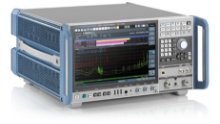
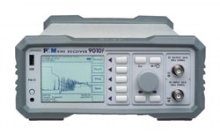
- Compliance testing requires a CISPR-compliant EMI receiver (e.g., Rohde & Schwarz ESW44).
- Pre-compliance or troubleshooting can be performed with a spectrum analyzer or basic EMI receiver.
- For close-range diagnostics, near-field probes are used to pinpoint emission sources.
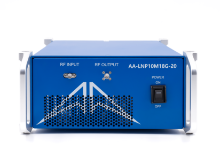
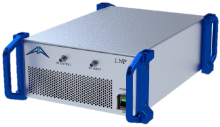
- Preamplifiers may be necessary for detecting very low-level signals, though many modern analyzers and receivers have built-in preamp functionality.
Radiated Emission Test Standards
Radiated emissions testing must comply with international standards that define measurement setups, frequency ranges, and emission limits:
- IEC CISPR 16-1-1 – Specifies measurement equipment and methods for commercial EMC compliance.
- MIL-STD-461 (RE101, RE102, RE103) – Military and aerospace requirements for controlling electromagnetic interference.
- FCC Part 15 – U.S. regulations for unintentional radiators and consumer electronics.
- EN 55032 | CISPR 32 – European standard for multimedia equipment emissions.
CISPR standards apply to industrial, scientific, and consumer electronics for commercial use, while MIL-STD-461 applies to defense and aerospace environments with stricter limits and extended frequency ranges.
EMC Test Equipment for Radiated Emissions
ATEC provides the industry’s largest inventory of EMC test equipment, including:
- EMI Receivers – Precision instruments for compliance testing.
- Spectrum Analyzers – For signal analysis and troubleshooting.
- EMC Antennas – Calibrated for accurate measurements.
- Preamplifiers – Enhance sensitivity for low-level emissions.
- Low-Loss Coaxial Cables – Low-loss connections for reliable results.
- RF Shielded Enclosures – Portable shielding for pre-compliance testing.
- Anechoic Chambers – Controlled environments for formal testing installed in a facility compared to portable RF Enclosures.
Watch on YouTube: Radiated Emissions Testing with Rohde ESW44
Conclusion
Radiated emissions testing is essential for ensuring EMC compliance, product reliability, and market access. By understanding test categories, setups, and standards—and using the right equipment—you can streamline certification and avoid costly delays. ATEC provides the expertise and ISO 17025-calibrated equipment you need to succeed. Contact us today to discuss your testing requirements or explore our extensive inventory.

The ATEC Advantage
- Largest Inventory: Over $150M in test & measurement equipment stocked in the USA.
- ISO 17025 Calibration: Optional A2LA-accredited certification available on rentals.
- Flexible Rentals: Weekly, bi-weekly, and monthly options.
- Expert Support: Specialists available for guidance.
- Fast Delivery: Same-day shipping for urgent compliance needs.
Related EMC Testing Resources