

Ask us about
test equipment solutions for your industry
Battery Pack Cyclers in the Aerospace Industry


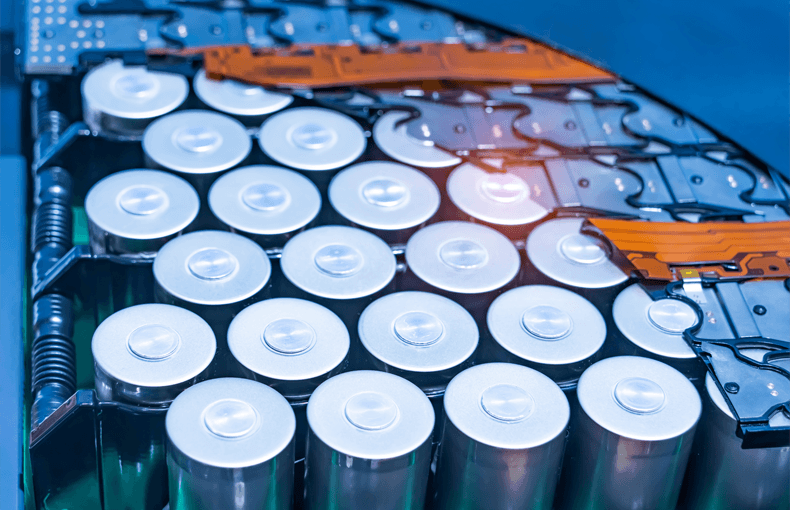
The future of flight is electric, and batteries are at the center of that transformation.
From electric aircraft and hybrid propulsion systems to advanced air mobility (AAM) vehicles, aerospace manufacturers are pushing battery technology to new limits. Growing power demands and stricter certification requirements make battery testing essential for ensuring safety, reliability, and performance.
That's where battery pack cyclers come in.
Modern battery cyclers do far more than charge and discharge batteries. They enable engineers to simulate real-world flight conditions, evaluate battery performance under dynamic loads, and identify potential issues long before an aircraft leaves the ground. As electric aviation continues to evolve, battery cyclers have become a critical tool in aerospace testing laboratories.
From electric aircraft and hybrid propulsion systems to advanced air mobility (AAM) vehicles, aerospace manufacturers are pushing battery technology to new limits. Growing power demands and stricter certification requirements make battery testing essential for ensuring safety, reliability, and performance.
That's where battery pack cyclers come in.
Modern battery cyclers do far more than charge and discharge batteries. They enable engineers to simulate real-world flight conditions, evaluate battery performance under dynamic loads, and identify potential issues long before an aircraft leaves the ground. As electric aviation continues to evolve, battery cyclers have become a critical tool in aerospace testing laboratories.

Why Aerospace Battery Testing Is Different
Aerospace battery testing presents unique challenges compared to consumer electronics, electric vehicles, or stationary energy storage systems. Aircraft batteries must handle rapid shifts in power demand during takeoff, climb, cruise, descent, and regenerative operating modes while meeting stringent safety and certification requirements. As a result, engineers need to test equipment capable of recreating realistic operating conditions and capturing highly detailed performance data.

Simulating Flight Conditions Before Takeoff
During development, battery modules must be evaluated under load profiles that replicate real-world mission scenarios. For aerospace applications, this often involves rapid power changes, high-voltage operation, and extended testing cycles.
Fast-response cyclers accurately reproduce these conditions, allowing engineers to observe how batteries behave during sudden transitions and fluctuating workloads. These tests frequently uncover performance limitations or control challenges that may not be apparent during steady-state operation, helping prevent costly redesigns and improving overall system reliability.
Fast-response cyclers accurately reproduce these conditions, allowing engineers to observe how batteries behave during sudden transitions and fluctuating workloads. These tests frequently uncover performance limitations or control challenges that may not be apparent during steady-state operation, helping prevent costly redesigns and improving overall system reliability.
Why Regenerative Battery Cyclers Matter
Battery testing can be highly energy-intensive, particularly during long-duration validation programs. Regenerative battery cyclers address this challenge by returning absorbed energy to the facility's power system rather than dissipating it as heat, improving energy efficiency while reducing operating costs.
As aerospace testing requirements continue to expand, regenerative capability is becoming an increasingly valuable feature for laboratories seeking to balance performance, scalability, and efficiency.
As aerospace testing requirements continue to expand, regenerative capability is becoming an increasingly valuable feature for laboratories seeking to balance performance, scalability, and efficiency.

Scaling from Battery Modules to Full Aircraft Packs
Once individual modules have been validated, engineers must evaluate complete battery packs under realistic operating conditions.
Aircraft battery systems often face substantial power demands during takeoff, climb, and other high-load flight phases. Replicating these conditions may require megawatt-class power levels and sophisticated test architectures capable of handling wide voltage and current ranges.
Modular, bidirectional battery cyclers provide the flexibility needed for these applications by allowing laboratories to scale power capacity while maintaining precise control and measurement accuracy. These systems can also simulate DC bus conditions, helping engineers evaluate how batteries interact with inverters, motor drives, and other propulsion system components.
Aircraft battery systems often face substantial power demands during takeoff, climb, and other high-load flight phases. Replicating these conditions may require megawatt-class power levels and sophisticated test architectures capable of handling wide voltage and current ranges.
Modular, bidirectional battery cyclers provide the flexibility needed for these applications by allowing laboratories to scale power capacity while maintaining precise control and measurement accuracy. These systems can also simulate DC bus conditions, helping engineers evaluate how batteries interact with inverters, motor drives, and other propulsion system components.

Beyond the Battery: Testing the Entire Powertrain
Modern electric and hybrid aircraft rely on complex interactions between batteries, inverters, motor controllers, and propulsion systems. Inverters and motor drives generate rapid transients and high-current events that require test equipment with fast slew rates and exceptional accuracy.
Multichannel battery cyclers provide additional flexibility for these scenarios, particularly in aerospace applications that incorporate redundant battery systems to support flight safety. When paired with environmental chambers and thermal testing equipment, these systems enable engineers to evaluate system-level performance under realistic operating conditions.
The result is greater confidence in battery performance, improved system reliability, and a smoother path toward certification.
Multichannel battery cyclers provide additional flexibility for these scenarios, particularly in aerospace applications that incorporate redundant battery systems to support flight safety. When paired with environmental chambers and thermal testing equipment, these systems enable engineers to evaluate system-level performance under realistic operating conditions.
The result is greater confidence in battery performance, improved system reliability, and a smoother path toward certification.
Aerospace Battery Pack Cycler Rentals from ATEC
Whether you're developing next-generation electric aircraft, validating battery modules, or evaluating complete propulsion systems, selecting the right testing equipment is critical.
ATEC offers battery pack cycler rentals from industry-leading manufacturers, including Chroma and NH Research, helping aerospace organizations access high-performance testing solutions without the capital investment of purchasing new equipment.
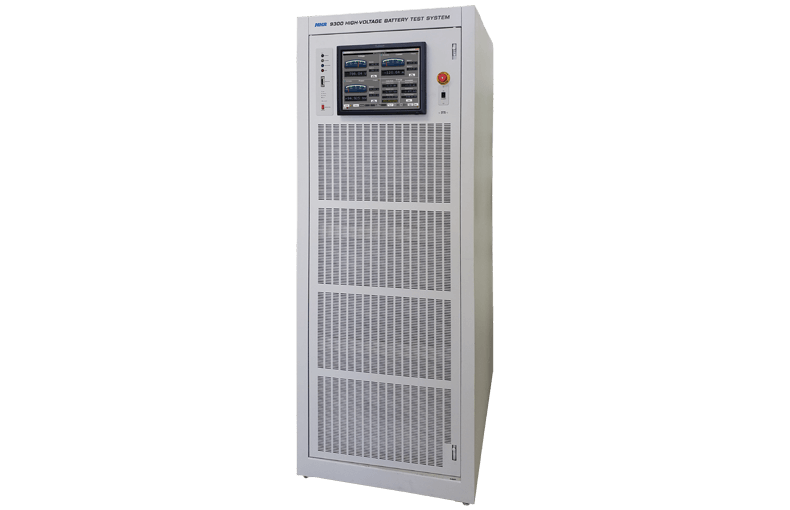
NH Research 9300 Battery Test System
Ideal for megawatt-level pack testing and high-voltage bidirectional applications.
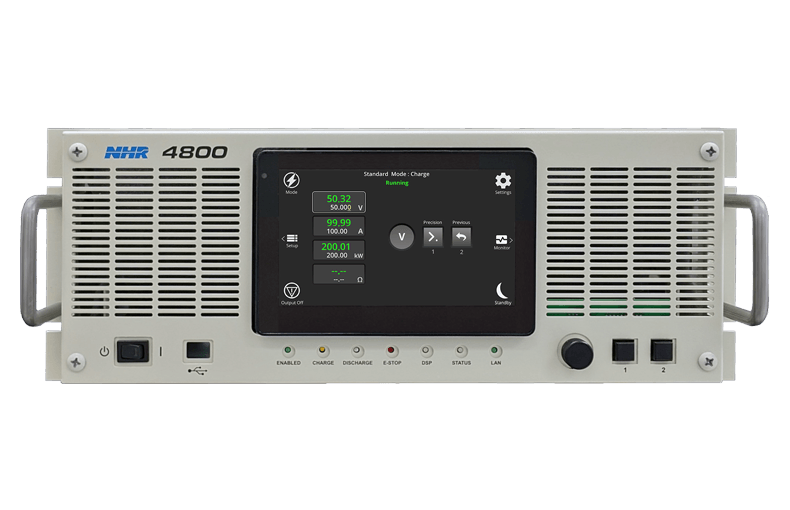
NH Research 4800 Series Digital Power Analyzer
Designed for precise power measurements and transient analysis.
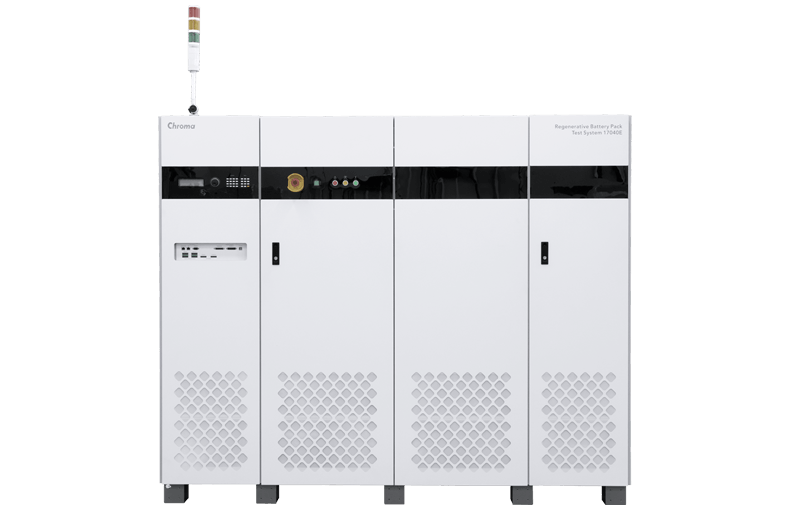
Chroma 17040E Regenerative Battery Pack Test System
Built for high-power battery pack testing with energy-saving regenerative capabilities.
Posted July 29, 2026