EN 50121-1 is a European electromagnetic compatibility (EMC) test standard that focuses on compatibility problems created from characteristics of railway systems. Below is a list of commonly integrated railway systems that can produce EMC problems:
- Heating, air conditioning, catering, and lighting of passenger coaches with converters on the vehicles.
- Signaling and telecommunication systems along the track and between control centers concerned with movement of trains.
- Computer installations in control centers, linked via trackside routes.
- Passenger information systems on vehicles, stations, and depots.
- Traction within diesel-electric locomotives and multiple units.
- Battery traction vehicles.
EN 50121-1, as well as the other four parts of the larger standard EN 50121, is intended to permit compliance with the EMC Directive and prescribe compatibility between the internal parts of a railway system. These standards provide the framework for limiting the amount of EMF a railway system emits, both to equipment within the railway system (simultaneously testing the railway’s EM immunity) as well as the outside world. These standards do not target all phenomena that could be encountered by railway systems. Some of the exceptions include:
- Nuclear EM pulse.
- Abnormal operating conditions (e.g. fault conditions).
- The induction effects of a direct lightning strike.
- Emission limits at the railway system boundary do not apply to intentional transmitters within the railway system boundaries.
- Safety considerations.
- The biological effects of non-ionizing radiation as well as apparatus for medical assistance, such as pacemakers.
This standard targets frequencies from DC – 400GHz, with stationary emission limits varying depending on the type of system, whether that is trams, trolleybuses, or metro/mainline railway systems. The goal of this standard is to make sure the whole system satisfies the Directive on EMC with the outside world and that the individual parts are compatible with each other. This is important because frequency measurements only need to be performed when there is a frequency requirement provided by the standard.
There are limits set by these standards to ensure railway systems’ emissions remain compatible with their external environment. These limits are defined by the results of measurements at the time when the EMC Directive became enforceable. That being said, these immunity and emission levels do not guarantee neighboring railway systems will comply with each other.
There are also exceptional circumstances that can cause a railway system to need more measures to make sure it has proper compatibility. Examples are when the railway is near a “special location” that has unusually high levels of EM interference or when they are within the proximity of equipment not covered by the EMC Directive, which can include radio transmission equipment, military, and military installations. Typically, it is up to the equipment supplier and the project manager/infrastructure manager to discuss what levels are satisfactory.
When performing the tests necessary to comply with this standard, there are 3 performance criteria that must be met. Those go as follows:
Performance criterion A: The apparatus must operate as intended during and after the test. There should be no degradation of performance or loss of function below the level given by the manufacturer (assuming the apparatus is being used correctly). The exception to this is when a performance level is replaced by a permissible loss of performance.
Performance criterion B: While all of the information in criterion A stands, degradation of performance during the test is allowed as long as the operating state or stored data are not changed.
Performance criterion C: The exception for criterion A’s rule against “loss of function” is for instances where the function is self-recoverable or can be restored by the operation of the controls.
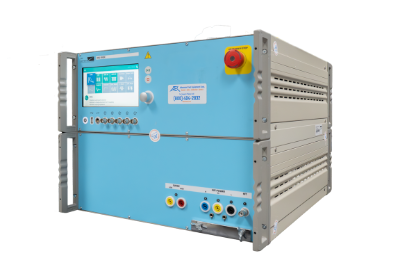
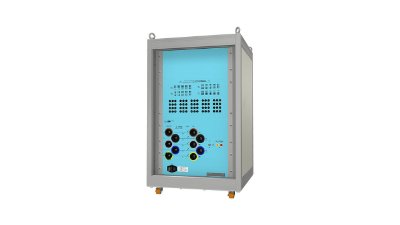
EN 50121-1 is the general introduction to the test standard EN 50121, and does not have specific test equipment that will satisfy this section. ATEC rents a variety of EMC equipment that can satisfy the general concepts introduced in this section, as well as the requirements for each of the other sections of 50121.