


MIL
MIL-STD-461G: Electromagnetic Interference Characteristics of Equipment
MIL-STD-461G Standard Overview
MIL-STD-461G is the military test standard that establishes requirements for the electromagnetic compatibility (EMC) of devices and systems created for and used by the United States Department of Defense (DoD). In the pages of MIL-STD-461G, a comprehensive set of test procedures are defined to fulfill the DoD’s electromagnetic emissions and susceptibility regulations. The test procedures are broken up into four groups: radiated emissions (RE), conducted emissions (CE), radiated susceptibility (RS) and conducted susceptibility (CS). Procedures are named with one of the two-letter abbreviations followed by a code; for example, RE103, a radiation emissions test procedure specific to antenna spurious and harmonic outputs.
Detecting rogue signals and electromagnetic interference is crucial to the military, as everything from a cellphone to a navigation component on a stealth jet produces an electromagnetic field and can potentially threaten safety, efficiency or secret communications. The DoD created an Electromagnetic Compatibility Program to address the growing concern that EMI was affecting military operations with the goal of integrating electromagnetic compatibility into defense industry R&D. Ever since, the three branches of the military have collaborated to produce updated and expanded versions, culmunating in the most recent edition of the standard: MIL-STD-461G. The changes made between MIL-STD-461F and MIL-STD-461G can be seen below. Major differences include the removal of CS106 and the addition of CS117 and CS118.
View the differences between MIL-STD-461F and MIL-STD-461G.
A = Applicable
L = Limited applicability
S = Specified in procurement
Blank = Not Applicable
As a result, approximately 20 basic and subsidiary specifications were superseded. The 461 document focused on requirements and the 462 standard prescribed measurement methodology. Definitions and acronyms were contained in 463. Considerable revision was required and MIL-STD-461A was issued in August 1968. MIL-STD-461 was accepted by the joint services and was also used by many other countries. Eventually, the different military agencies (Army, Air Force, and Navy) found many items to their dissatisfaction, and thus many revisions were issued by each of the three services until 1989. The most noted difference was the "Pink Copy" issued by the Army.
MIL-STD 461 also takes care of High-Intensity Radiated Fields (HIRF) testing for equipment for almost all military systems by increased levels for the radiation susceptibility test and also the "Bulk Current Injection"-test.
Download Standard
Advanced Test Equipment Rentals provides a variety of equipment for performing damped oscillatory immunity tests and other EMC tests. Check out all of the EMC test equipment we carry for rent or read more about EMC testing.
Detecting rogue signals and electromagnetic interference is crucial to the military, as everything from a cellphone to a navigation component on a stealth jet produces an electromagnetic field and can potentially threaten safety, efficiency or secret communications. The DoD created an Electromagnetic Compatibility Program to address the growing concern that EMI was affecting military operations with the goal of integrating electromagnetic compatibility into defense industry R&D. Ever since, the three branches of the military have collaborated to produce updated and expanded versions, culmunating in the most recent edition of the standard: MIL-STD-461G. The changes made between MIL-STD-461F and MIL-STD-461G can be seen below. Major differences include the removal of CS106 and the addition of CS117 and CS118.
View the differences between MIL-STD-461F and MIL-STD-461G.
Requirement Matrix
| Equipment | CE101 | CE102 | CE106 | CS101 | CS103 | CS104 | CS105 | CS109 | CS114 | ||||||
|---|---|---|---|---|---|---|---|---|---|---|---|---|---|---|---|
| Surface Ships | A | A | L | A | S | L | S | L | A | ||||||
| Submarines | A | A | L | A | S | L | S | L | A | ||||||
| Aircraft, Army | A | A | L | A | S | S | S | A | |||||||
| Aircraft, Navy | L | A | L | A | S | S | S | A | |||||||
| Aircraft, Air Force | A | L | A | S | S | S | A | ||||||||
| Space Systems | A | L | A | S | S | S | A | ||||||||
| Ground, Army | A | L | A | S | S | S | A | ||||||||
| Ground, Navy | A | L | A | S | S | S | A | ||||||||
| Ground, Air Force | A | L | A | S | S | S | A | ||||||||
| Equipment | CS115 | CS116 | CS117 | CS118 | RE101 | RE102 | RE103 | RS101 | RS103 | RS105 | ||||||
|---|---|---|---|---|---|---|---|---|---|---|---|---|---|---|---|---|
| Surface Ships | S | A | L | S | A | A | L | L | A | L | ||||||
| Submarines | S | L | S | S | A | A | L | L | A | L | ||||||
| Aircraft, Army | A | A | L | A | A | A | L | A | A | L | ||||||
| Aircraft, Navy | A | A | L | A | L | A | L | L | A | L | ||||||
| Aircraft, Air Force | A | A | L | A | A | L | A | |||||||||
| Space Systems | A | A | L | A | L | A | ||||||||||
| Ground, Army | A | A | S | A | A | L | L | A | ||||||||
| Ground, Navy | A | A | S | A | A | L | L | A | L | |||||||
| Ground, Air Force | A | A | A | A | L | A | ||||||||||
A = Applicable
L = Limited applicability
S = Specified in procurement
Blank = Not Applicable
Background of MIL-STD-461G
In 1960, the US Department of Defense (DoD) enacted a comprehensive Defense Radio Frequency Compatibility Program (later renamed Electromagnetic Compatibility Program) that focused the Military Services R&D programs "to provide a means whereby electromagnetic compatibility should be 'built into' military communications-electronics equipment in the research and development stage". In 1966, EMC personnel of the three military departments jointly drafted standards addressing the interference reduction needs of the entire Department of Defense. That effort culminated in 1967 in the issuance of Military Standards 461, 462 and 463.As a result, approximately 20 basic and subsidiary specifications were superseded. The 461 document focused on requirements and the 462 standard prescribed measurement methodology. Definitions and acronyms were contained in 463. Considerable revision was required and MIL-STD-461A was issued in August 1968. MIL-STD-461 was accepted by the joint services and was also used by many other countries. Eventually, the different military agencies (Army, Air Force, and Navy) found many items to their dissatisfaction, and thus many revisions were issued by each of the three services until 1989. The most noted difference was the "Pink Copy" issued by the Army.
MIL-STD 461 also takes care of High-Intensity Radiated Fields (HIRF) testing for equipment for almost all military systems by increased levels for the radiation susceptibility test and also the "Bulk Current Injection"-test.
Download Standard
Advanced Test Equipment Rentals provides a variety of equipment for performing damped oscillatory immunity tests and other EMC tests. Check out all of the EMC test equipment we carry for rent or read more about EMC testing.
Products Used in Testing
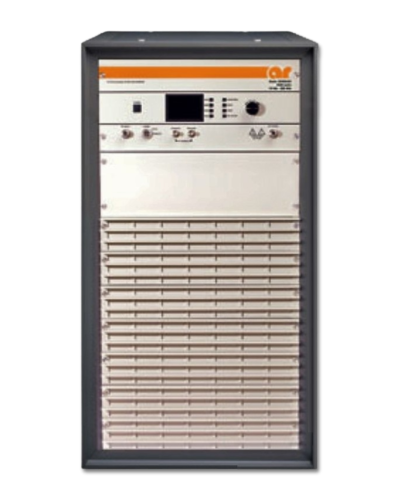
Amplifier Research 2500A225 RF Power Amplifier
- Output Power: 2.5kW, 0.1–100MHz
- Output Power: 2.5–1.9kW, 100–225MHz
- Gain (max): - 64 dB min.

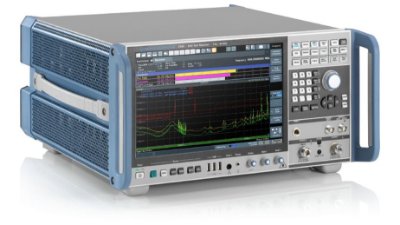
Rohde & Schwarz ESW44 EMI Receiver
- Frequency: 1 Hz - 44 GHz
- MIL-STD-461 CE106, Ford FMC1278
- 1 Hz - 10 MHz (80 MHz option)

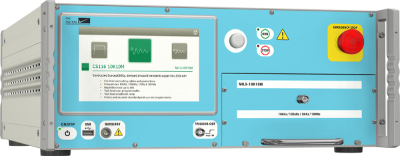
EMC Partner MIL3000 Military Test System
- Exceeds maximum test levels in MIL-STD-461
- One coupler for tests (CS115 & CS116)
- Test report data stored in MIL3000, accessible via USB or Ethernet

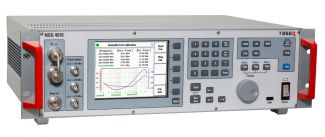
Teseq NSG 4070C-80 Test System for Conducted and Radiated Immunity
- Amp Range: 150kHz - 230MHz at 80W
- Sig Gen Range: 4kHz – 1GHz
- 3 Power Meter Ports

Related MIL Standards
Explore All Standards
MIL-STD-188-125-2: HEMP Protection for Ground-Based C41 Facilities Performing Critical Missions...
MIL-STD-461
MIL-STD-461F: Electromagnetic Interference Characteristics of Equipment
MIL-STD-461G CE101, CE102: Conducted Emissions, Audio Frequency Currents and Radio Frequency...
MIL-STD-461G CE106: Conducted Emissions, Antenna Port
MIL-STD-461G CS101: Conducted Susceptibility, Power Leads
MIL-STD-461G CS103: Conducted Susceptibility, Antenna Port, Intermodulation
MIL-STD-461G CS104: Conducted Susceptibility, Antenna Port, Rejection of Undesired Signals
MIL-STD-461G CS105: Conducted Susceptibility, Antenna Port, Cross-Modulation
MIL-STD-461G CS106: Conducted Susceptibility, Transients, Power Leads
MIL-STD-461G CS109: Conducted Susceptibility, Structure Current
MIL-STD-461G CS114: Conducted Susceptibility, Bulk Cable Injection
MIL-STD-461G CS115: Conducted Susceptibility, Bulk Cable Injection, Impulse Excitation
MIL-STD-461G CS116: Conducted Susceptibility, Damped Sinusoidal Transients, Cables and Power Leads
MIL-STD-461G CS117: Conducted Susceptibility, Lightning Induced Transients, Cables and Power Leads
MIL-STD-461G CS118: Personnel Borne Electrostatic Discharge (ESD)
MIL-STD-461G RE101: Radiated Emissions, Magnetic Field
MIL-STD-461G RE102: Radiated Emissions, Electric Field
MIL-STD-461G RE103: Radiated Emissions, Antenna Outputs
MIL-STD-461G RS101: Radiated Susceptibility, Magnetic Field
MIL-STD-461G RS103: Radiated Susceptibility, Electric Field
MIL-STD-461G RS105: Radiated Susceptibility, Transient Electromagnetic Field, or EMP...
MIL-STD-464: RF Environmental Effects on Systems
MIL-STD-704: Aircraft Electric Power Characteristics
MIL-STD-750: Test Methods for Semiconductor Devices
MIL-STD-810G: Test Method Standard for Environmental Engineering Considerations and Laboratory Tests
MIL-STD-883: Test Method Standard, Microcircuits
MIL-STD-1275: Characteristics of 28 Volt DC Input Power to Military Vehicles
MIL-STD-1399-300: Interface Standard for Shipboard Systems
MIL-STD-1553: Aircraft Internal Time Division Command/Response Multiplex Data Bus
MIL-STD-1576: Electroexplosive Subsystem Safety Requirements and Test Methods For Space Systems