

Ask us about
test equipment solutions for your industry
Best Pipe Crawler Rental Options for Industrial Pipeline Inspections

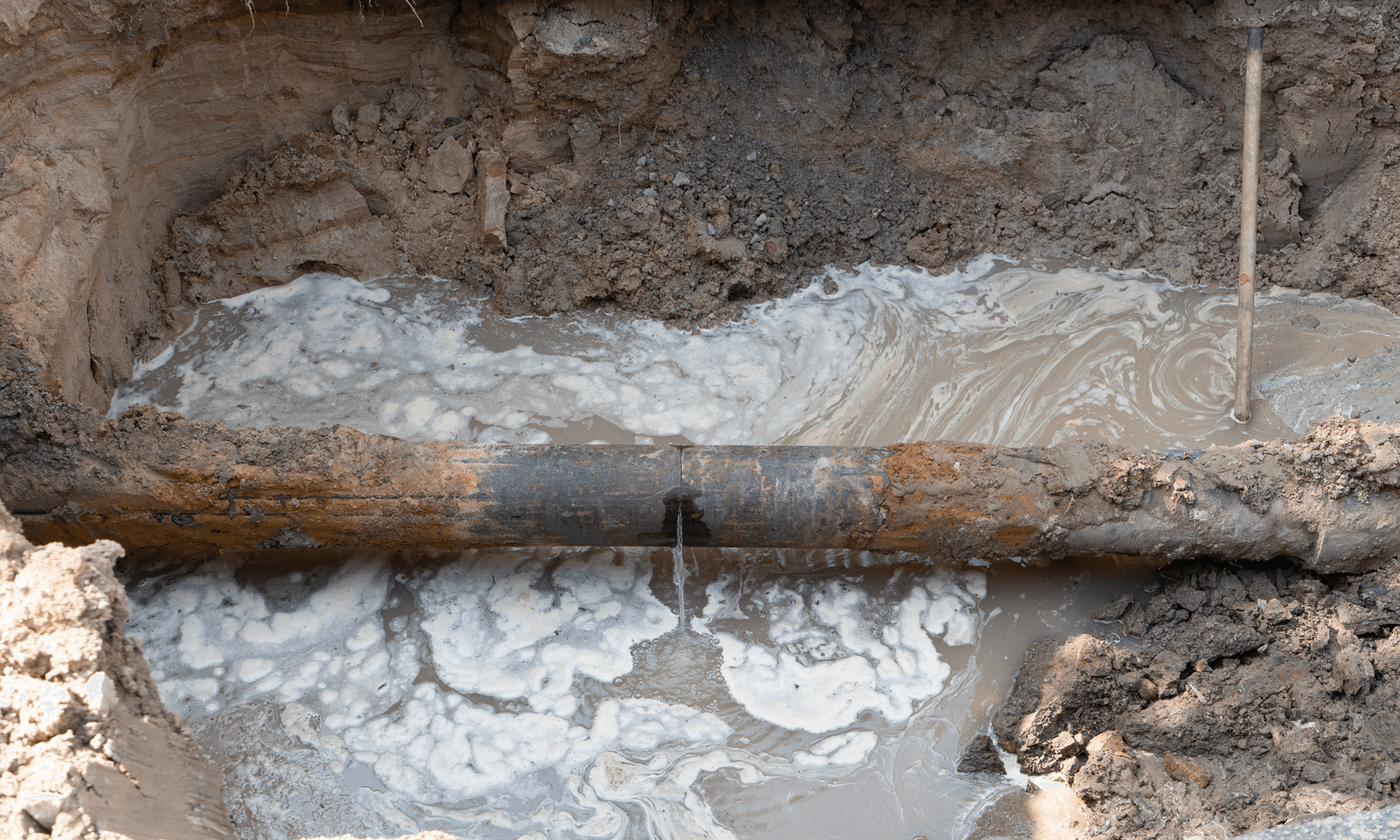
Industrial pipelines transport liquids, gases, and in some cases, solids throughout an industrial environment via a system of tubes, valves, and fittings. These pipes must meet strict safety and quality standards and are engineered to withstand high pressure, temperature extremes, and corrosive conditions. Over time, these systems can develop damage that is difficult and costly to locate using traditional methods. The solution is to use pipe crawlers to seek out problematic areas to detect issues without dismantling components or taking systems offline.
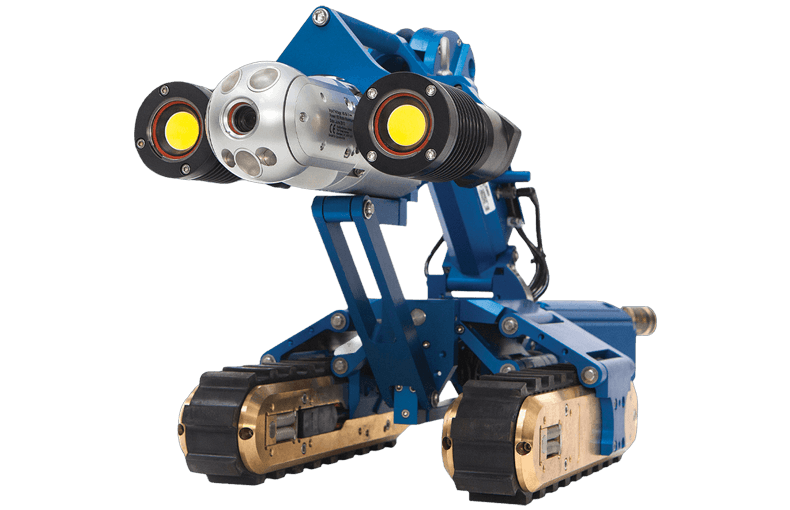
What are Pipe Crawlers?
Operators use a distance tracking sensor in the tether reel to monitor the crawler’s position within the pipe, helping pinpoint the location of the issues and log anomalies for corrective action.
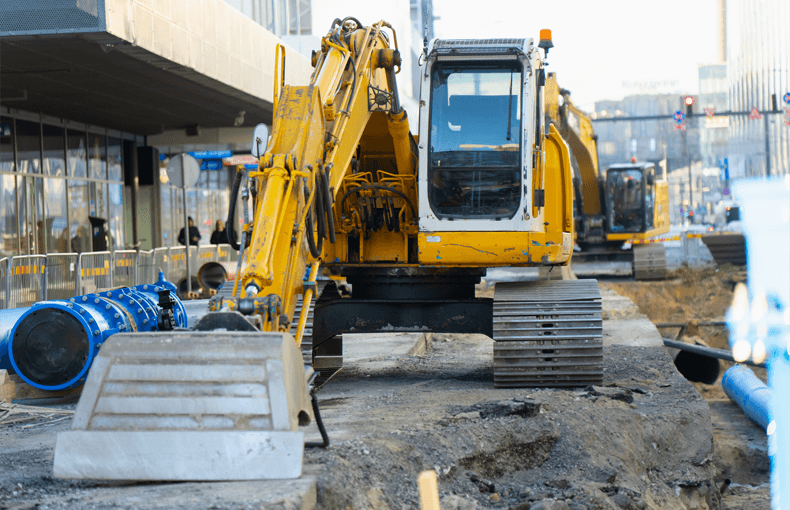
Key Specifications to Consider When Choosing a Pipe Crawler Rental
- Length and diameter of the pipe
- Data being gathered: Visual, UT, PECA
- Pipe layout (vertical, horizontal, bends, etc.)
- Pipe material
- Cable Length
- Pan/Tilt/FOV
- Resolution
- Zoom
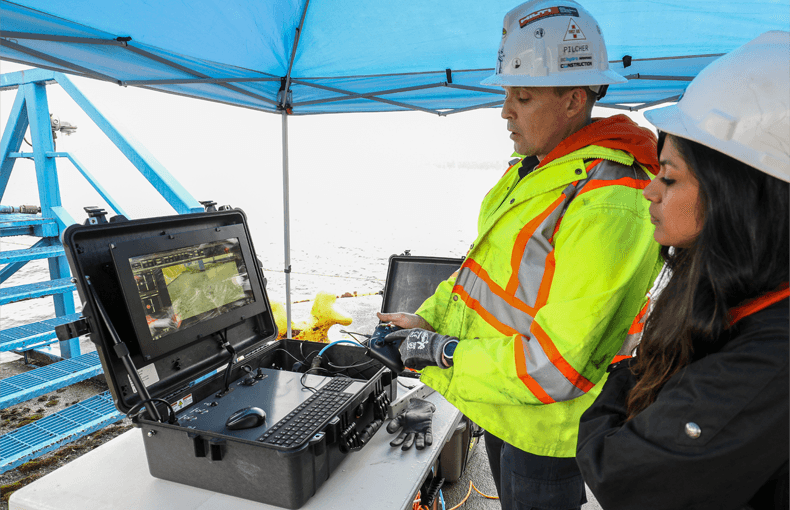
Pipe Crawler Rental Configurations to Consider
In addition to size, sensor options can vary. Some systems include standard sensors, while others feature integrated laser or LIDR technology for more precise measurements.
Control methods also differ across systems. Some crawlers use handheld controllers, which are portable but offer limited reporting capabilities. Others rely on truck-mounted desktop systems, which provide greater customization but are less mobile and more expensive. Laptop or console-based controllers offer a balance between portability, cost, and functionality.
Pipe Crawler Applications
Crawlers are built to adapt to different environments, largely due to the wide variety of pipelines they must navigate. Pipelines can be constructed from materials such as iron, concrete, fiberglass-reinforced plastic (FRP), plastic, and steel. Each material is suited to specific applications, requiring crawlers to maneuver affectively across a range of conditions.
There are several common applications for each type of crawler depending on the pipeline. Some of these applications include:
Pipe Cameras Versus Pipe Crawlers
An important distinction is that, in drainage inspection, a subset of industrial pipeline inspection focused on sewer systems, two tools are most commonly used: pipe cameras and pipe crawlers.
Both pipe cameras and pipe crawlers capture images inside pipes; however, their applications depend on pipe size and the complexity of the inspection. Pipe cameras are typically used for simpler inspections and, as a result, are smaller, easier to set up, and more cost-effective. The tradeoff is that their inspection distance, mobility, and image control are limited.
While some high-end pipe cameras can be used for industrial applications, pipe crawlers are more commonly used in medium to large pipes that require high-definition imaging, greater durability, the ability to navigate irregularities in the pipe structure, and extended inspection range.
Like crawlers, pipe cameras also vary based on configuration. See below for the different types of pipe cameras and what distinguishes each variant.
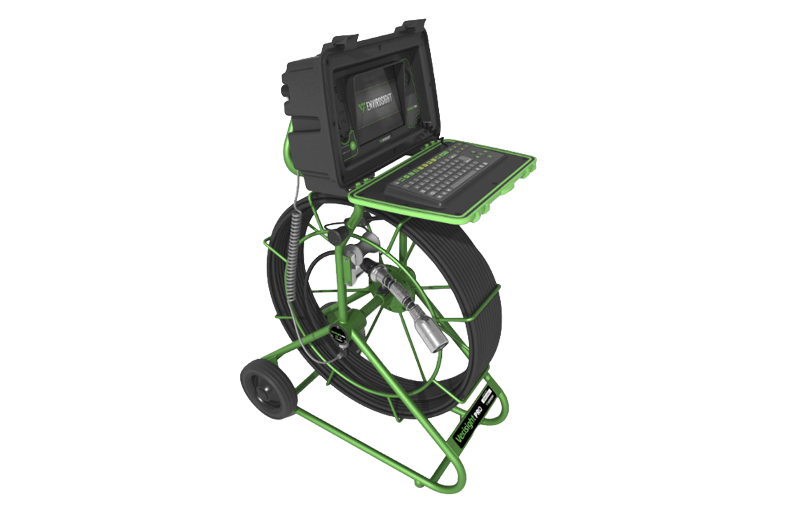
What is a Push Camera?
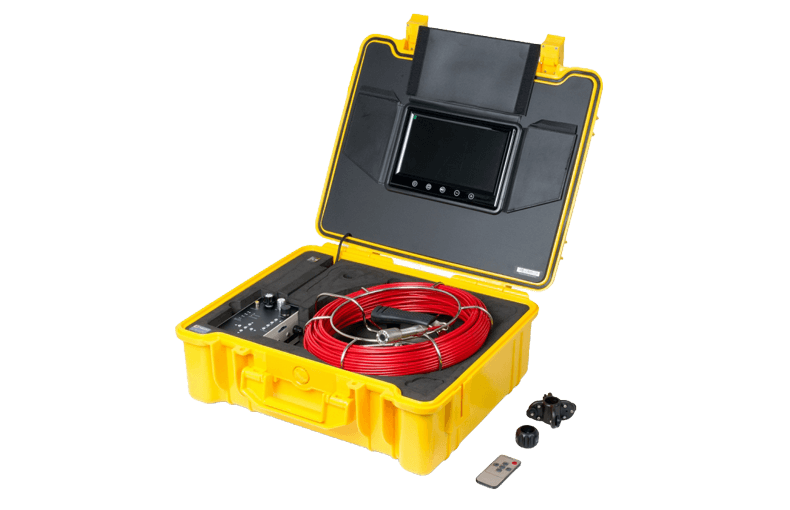
What is a Drain Camera?
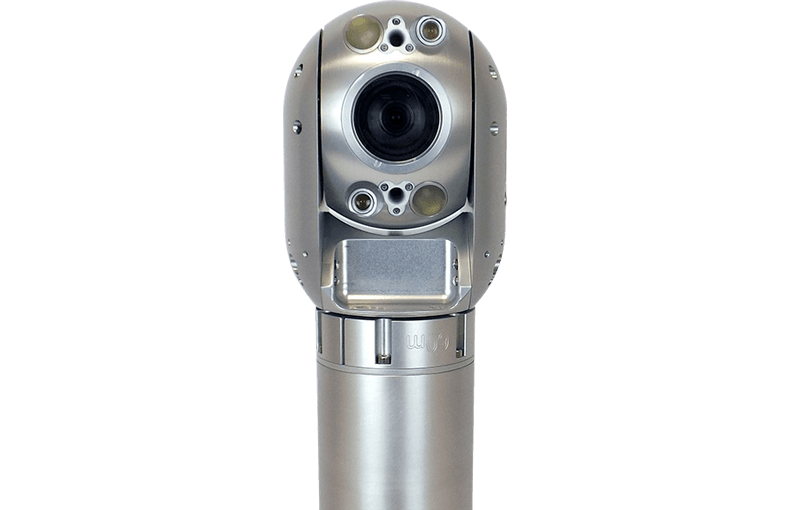
What is a Zoom Camera?
How ATEC Can Help You
With these factors in mind, ATEC can help you select the right pipe crawler rental for your industrial inspection needs. As a trusted rental partner of Eddyfi, we offer high-quality pipe crawler systems ready to support your next project.
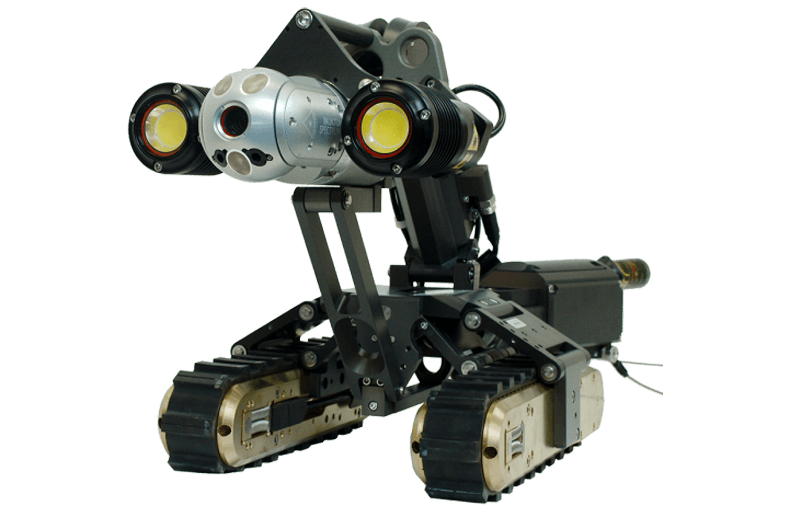
Eddyfi VersaTrax VT-P320
- Min. Pipe Opening: 320mm (12.5in)
- Up to 1,000m (3,300ft) per run
- Max. Speed: 6.4m/min (21ft/min)
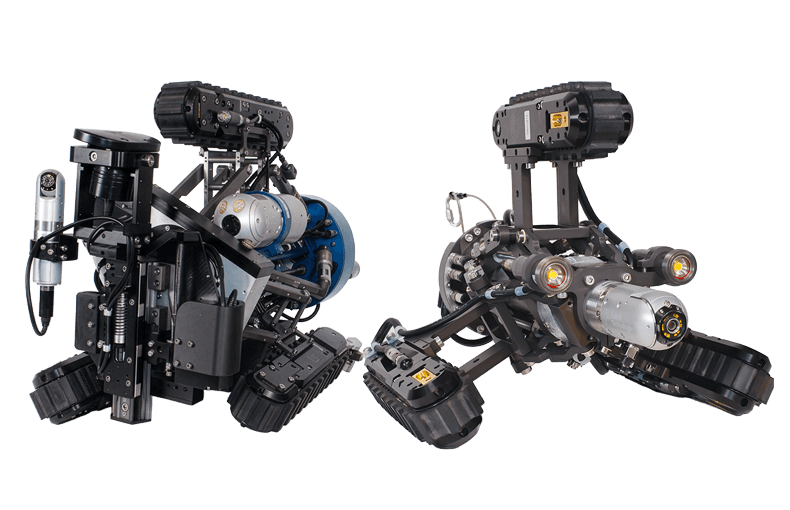
Eddyfi VersaTrax Y‑Series
- Pipe diameter range: Up to 915mm
- Max. tether length: 1000m
- Max. speed: 6.4m/min