
Doble’s Original Power Factor Test
_1.jpg?ext=.jpg?width=950)

Doble created the power factor test (originally referred to as the Doble Test) to find the insulation condition of windings, barriers, bushings, and oil within electrical equipment such as transformers. Keep reading to learn more about the use cases for this test, what it entails, and the equipment used to perform this testing.

Why is Power Factor Testing Important?
This occurs because as electrical equipment is used, the accessories within the device move through a thermal cycle, meaning they will be heated up and cooled down when the device is turned on and off. When this heating and cooling process is combined with moisture, oxygen, and other contaminants, they can cause the dielectric system to degrade over time.
What Is Power Factor Testing?
Power factor testing is an essential practice for maintaining the quality of an AC power system. This form of testing assesses the AC characteristics of a dielectric, using dielectric losses as the key indicator for contamination or deterioration in a dielectric.
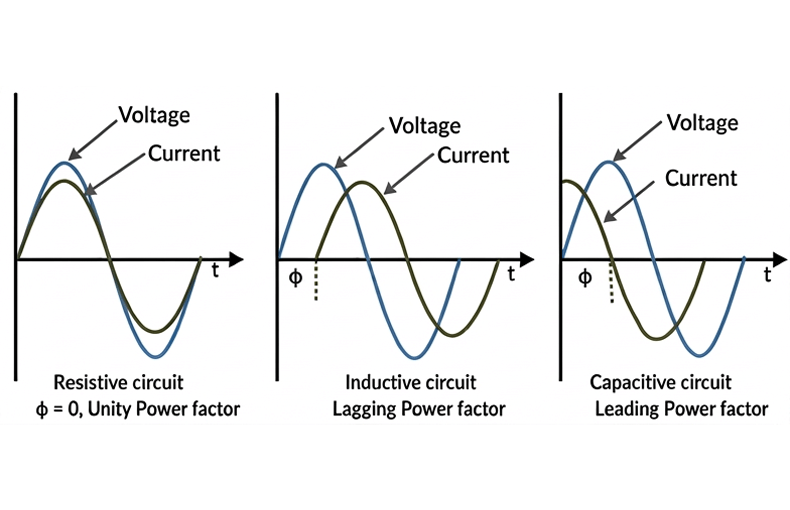
How The Doble Test Works
The relationship between the voltage and current helps people testing the EUT discover leading or lagging power factors within the unit. Characterizing high-voltage equipment with their power factor performance over time helps to schedule preventative maintenance or replacement on these important assets.
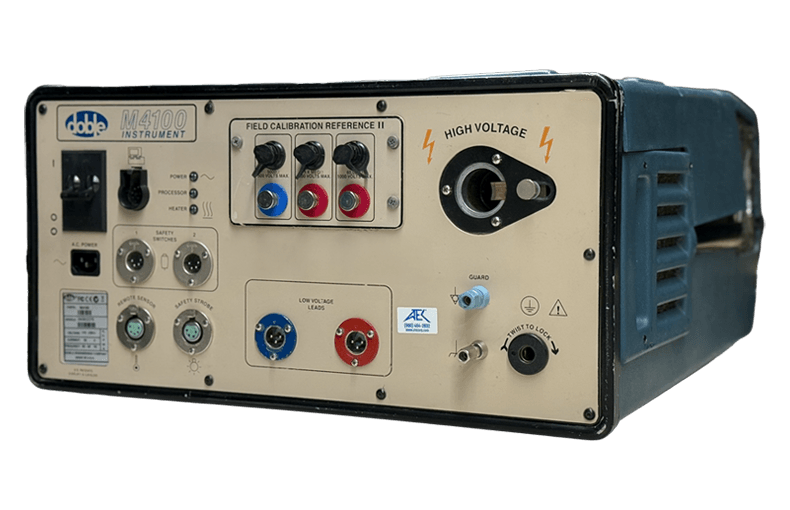
Doble M4100
ATEC’s Power Factor Test Equipment Rentals
There are a variety of power factor testers today. ATEC offers a range of user-friendly products from industry-leading manufacturers, including Megger, Omicron, and of course, Doble. Reach out to ATEC today to learn more about our power factor test sets.
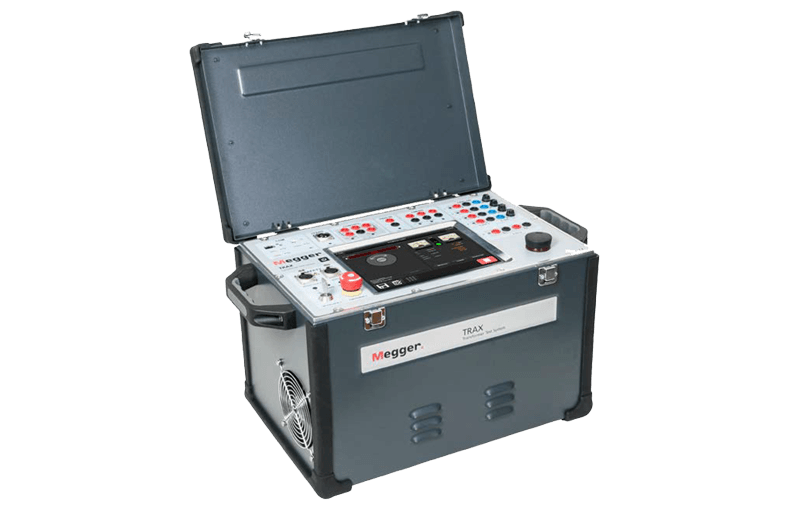
Megger TRAX
- Current Output: 200A AC (TRAX 219)
- Current Output: 200A AC (TRAX 220)
- Current Output: 800A AC (TRAX 280)
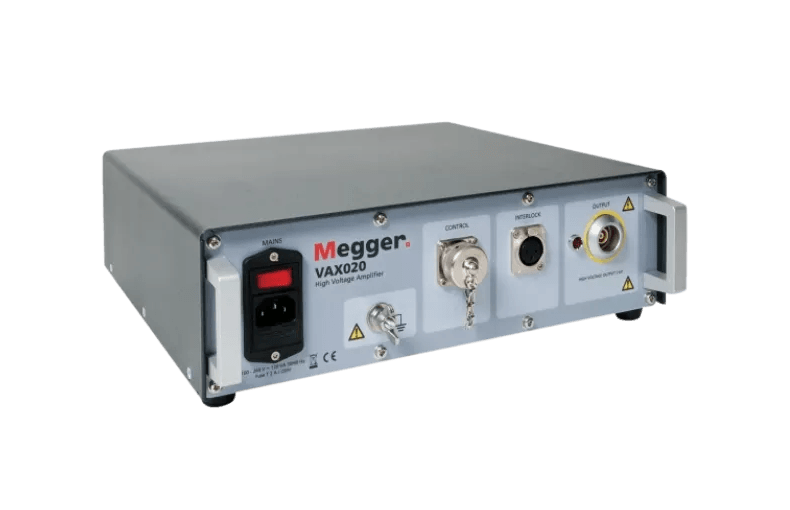
Megger VAX020
- Output Current: 50mA (Peak) <50Hz, 30mA <10Hz
- Output Current Voltage: 2kV (Peak)
- Frequency Range: DC - 1kHz
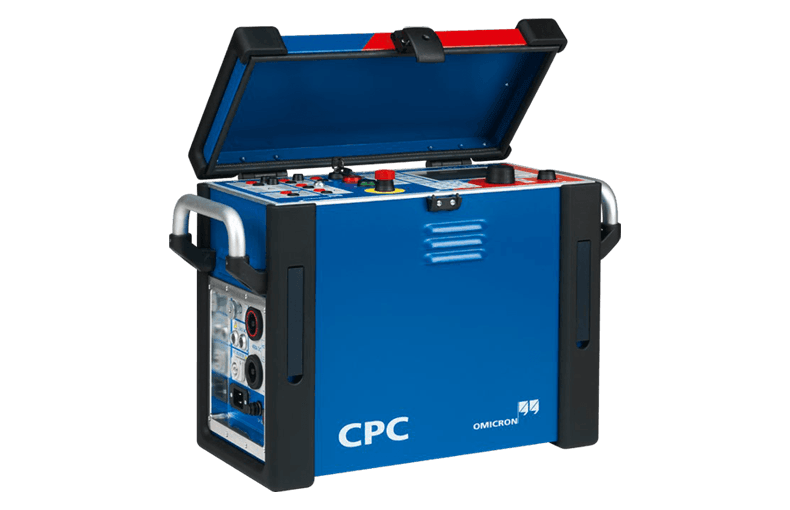
Omicron CPC 100
- Max Output Current (AC): 800A
- Max Output Current (DC): 400A
- Input Voltage: 300V